Categories
Philanthropy Wired Newsletter

Philanthropy Wired – September 2019


S. Sutton & Associates Inc.’s September 2019 issue of Philanthropy Wired is brimming with updates and trends from the world of philanthropy.

Our Trending/Special Topic looks at “Democratizing Innovation: The Science by Women Program”. Nobel prize winning scientist Tim Hunt’s controversial statement about the need for labs to be gender segregated sparked outrage throughout the scientific community. Partially due to this viral controversy, discussions related to women’s involvement in STEM subjects – science, technology, engineering, and math – have remained prevalent. The gender gap in science is startling, and UNESCO recently reported that only 28 percent of those working in research and development are women.

We also explore the nonprofit, nongovernmental, and philanthropic sectors with whom S. Sutton & Associates Inc. works and the challenges they face. We explain how S. Sutton & Associates Inc. can help to overcome these challenges working together as a team in our Client Target Markets section.

Our Spotlight on Services takes a closer look at Counsel and Support for Philanthropists. Savvy philanthropists can develop a strategic and thoughtful plan with S. Sutton & Associates Inc.’s guidance.

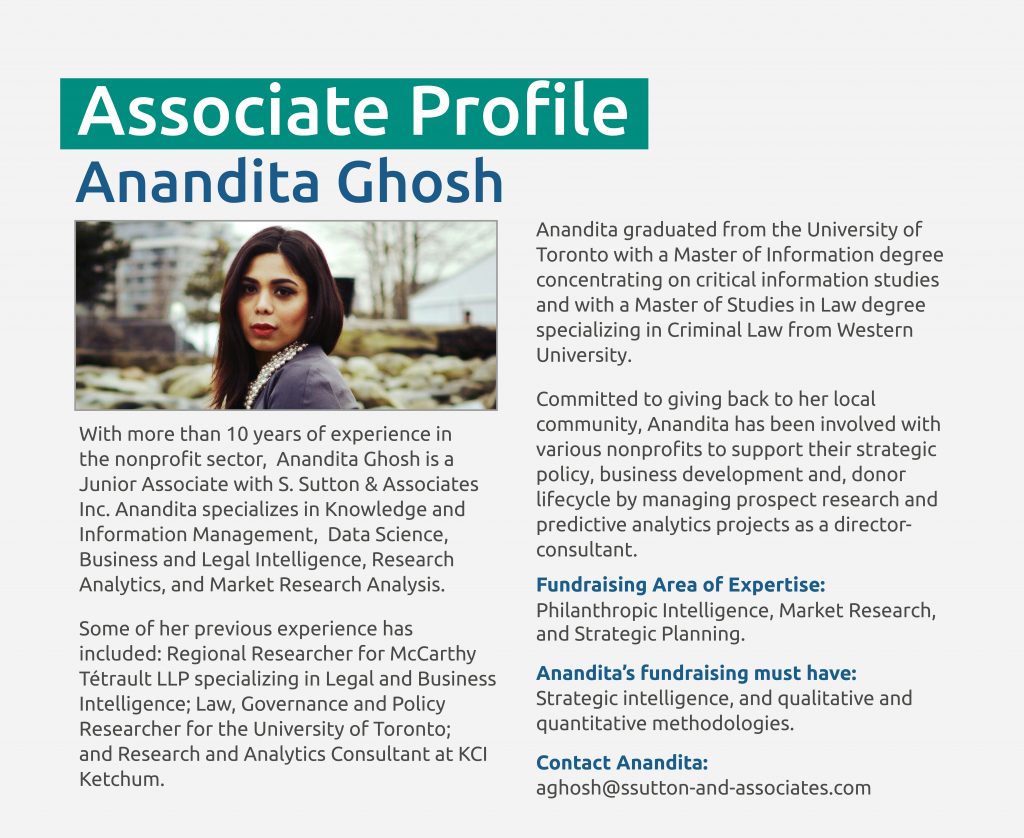
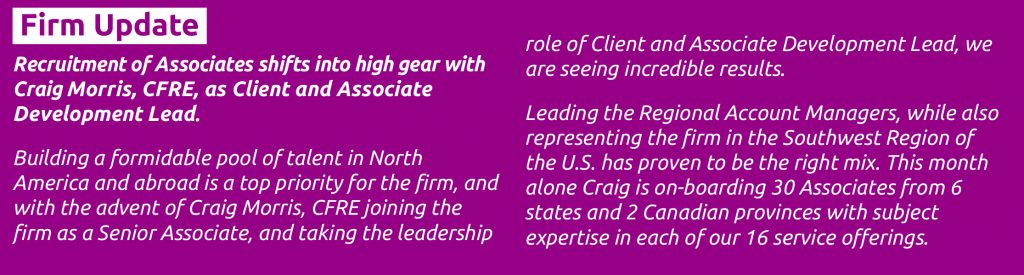
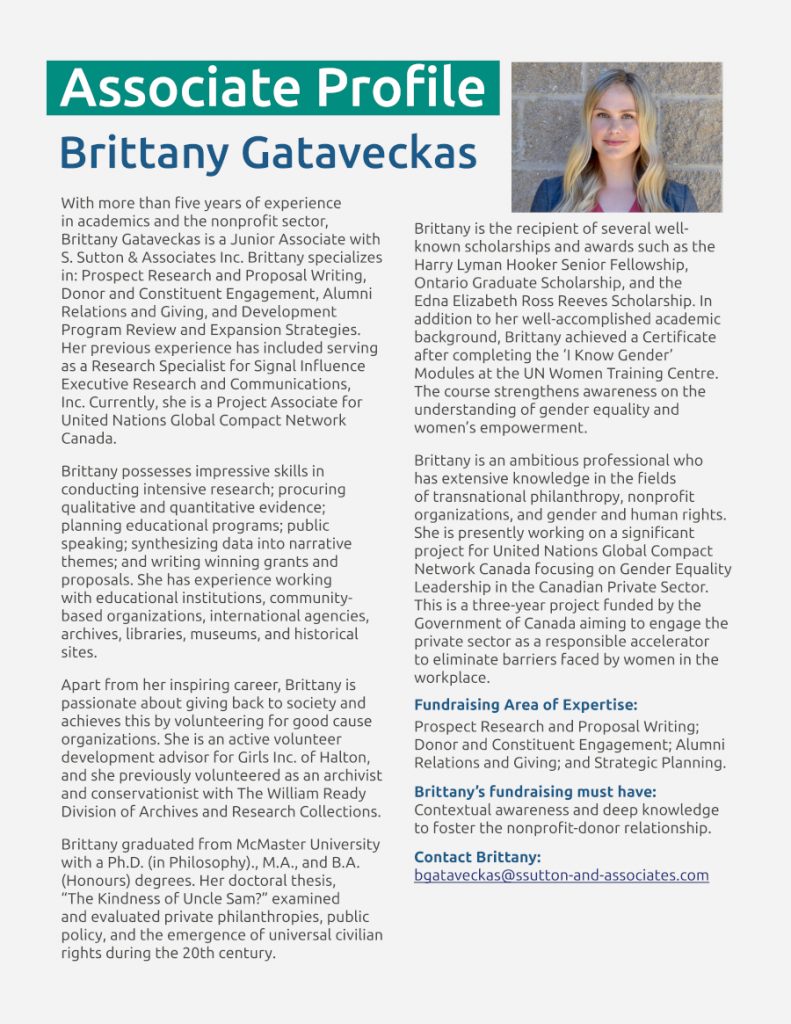
For our Firm Update, S. Sutton & Associates Inc. is focusing on recruiting talented Regional Account Managers across North America. Our team is growing, and we are thrilled to introduce our highly qualified team members in this edition. In addition to our Regional Account Managers, meet Junior Associate, Brittany Gataveckas. She holds a Ph.D. in Philosophy from McMaster University. Brittany is an ambitious professional who specializes in: Prospect Research and Proposal Writing, Donor and Constituent Engagement, Alumni Relations and Giving, and Development Program Review and Expansion Strategies. She is also the recipient of several scholarships and awards. Read more about Brittany’s accomplishments in the Associate Profile section.

Philanthropic activities taking place across the globe are robust and innovative. In this edition, we bring you selected insightful regional developments. The Regional Trends highlight the following:

— The Giving Report 2018 focused on Canada.
— Rick Dunham, Chair of Giving USA Foundation says that the environment for giving has dramatically changed.
— Trust in any charitable institutions is at an all-time low in the UK.
— The need for a Single Market for Philanthropy in Europe and the European Philanthropy Manifesto launched in March 2019.
— Mo Ibrahim’s role in the realm of higher education and career investment across Africa.
— The World Giving Index 2018 indicating Singapore’s ranking and significance.
— The most substantial investment in philanthropy in the Middle East.
— The Stanford Social Innovation Review in Pakistan.
— India’s pledge to fulfill the Sustainable Development Goals (SDGs) have seen a rise in social sector funding.
— Brazil passes a new law outlining a framework to govern the creation and management of philanthropic donations.
— A significant shift of women’s roles in philanthropy in Latin America.
— Philanthropic giving in the realm of higher education in Australia and New Zealand.

We would also love to hear from you! Get in touch and let’s see how we can work together to realize your humanitarian potential.

Democratizing Innovation:

The Science by Women Program

It was only four years ago when the Nobel prize winning scientist Tim Hunt made the controversial statement that labs should be gender-segregated, because women scientists will “fall in love with you and when you criticize them, they cry.” Hunt’s comments provoked outrage far and wide, prompting women scientists to respond with photos of themselves wearing lab equipment, captioned with the derisive hashtag #distractinglysexy. This viral controversy has spawned many discussions related to women’s involvement in STEM subjects – science, technology, engineering, and math. More often than not, these discussions revolve around the lack of women pursuing, studying, and working in the fields of science and technology. The gender gap in science is startling by any measures, but UNESCO recently reported that only 28 percent of those working in research and development are women.

In many ways, the challenges facing women in science and technology are the same across the globe: persistent gender biases that result in a lack of opportunity, adverse work environments, and the absence of mentors or sponsors. However, these challenges become more pronounced in African countries where, in some cases, the gender gap is wider due to political, cultural, and economic realities, as well as functional practices like brain-drain.

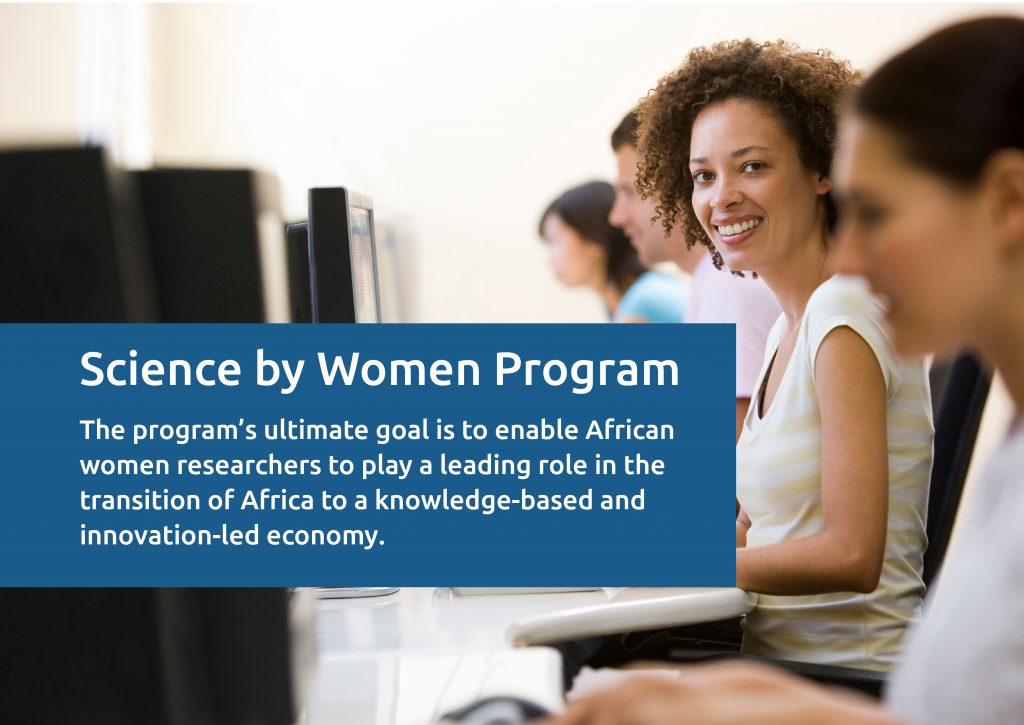
With these challenges in mind, the Women for Africa Foundation (FMxA), a Spanish nonprofit organization, launched the Science by Women program with the intention of advancing and encouraging women’s leadership in scientific and technological research. In its fifth year, the Foundation’s program will provide funding for 15 African women to complete six-month fellowships at an eligible international research centre in Spain. The senior research fellows will conduct important work in diverse fields including: health and bio-medicine; energy, water, and climate change; agriculture and food safety, mathematics, information and communication technologies; economic science; physics and material sciences; and nanotechnology.

In offering these fellowships, FMxA is fostering the rich, but often overlooked the history of African women as scientific innovators. Take Dr. Wangari Muta Maathai, for example, a biologist, veterinary anatomist, and the first African woman to be awarded the Nobel Prize for her work as an environmentalist. Another prominent African scientist, Dr. Quarraisha Abdool Karim, is an epidemiologist whose worldrenowned research on AIDS has helped treat AIDS patients and curtail the spread of the disease. Dr. Rajaâ Cherkaoui El Moursli is a physicist who was instrumental in proving the existence of the Higgs boson, known as one of the fundamental building block particles of the universe.

The Science by Women program is one way that FMxA is on the frontline of the movement to foster scientific and technological innovation, ensure that African countries are able to meet future challenges head-on, and engage women as scientists. As the future of work becomes increasingly geared towards adapting to rapid technological innovations including automation, autonomous systems, and artificial intelligence, nonprofits can play a role in diligently supporting the democratization of STEM skills. Enabling the participation of those who are typically prevented, impeded, or unable to contribute to scientific and technological learning and development today will be a key factor in establishing more equitable and progressive societies of tomorrow. Just as different industries need to meet the challenges of future work, the nonprofit sector must be tuned in to these developments and devise innovative ways to help people around the world adapt and thrive.
Introduction to our Regional Account Managers

The Regional Account Managers (RAM)s for S. Sutton & Associates Inc. initiate contact with nonprofit and philanthropic clients, as well as professionals interested in joining our team as Associates. The RAMs are responsible for strategy and execution to ensure there are more than enough Innovation Team members in each target city and a full pipeline of clients in place within their region.

We are thrilled to announce that our team is growing and take this opportunity to introduce the members of the team:

CRAIG MORRIS, CFRE

Team Lead

With more than 20 years of experience in the nonprofit sector, Craig Morris is a Senior Associate with S. Sutton & Associates Inc. and is a Certified Fund Raising Executive (CFRE).

Craig is an expert in managing the donation process, working with donors and board members including corporate donors, and planning campaigns that exceed targeted results.

Throughout his career, he has specialized in strategic planning, development operations including CRM systems, disaster response campaigns, and program evaluation. Most recently, Craig was the Senior Manager for YMCA, Chicago, Illinois, where he contributed to annual revenues of $50+ million, supervising CRM managers and metric specialists. While Director of Development for the Illinois Action for Children, Craig was responsible for a five-year strategic plan to increase fiscal sustainability and decrease dependence on state funds.

Craig graduated from the University of Chicago with a Master of Arts in Social Service Administration and a Bachelor of Arts in Liberal Arts and Sciences from Indiana University. Craig is an accomplished fundraising professional, who contributes his deep knowledge and expertise to S. Sutton & Associates Inc. supporting our client work, while also leading the team of Regional Account Managers.

Contact Craig at:
cmorris@ssutton-and-associates.com

Joining us this month as Craig’s fellow RAMs are Anne Reiss, Darlene Dwyer and Mark Pankey.

ANNE REISS

Senior Associate & Regional Account Manager

As a Senior Associate with more than 25 years of experience, Anne Reiss is a highly motivated philanthropic professional who possesses expertise in: strategic planning, targeted fundraising campaigns especially involving major donors, and creating engaging development or fundraising copy. Since graduating from the University of California Los Angeles with a Bachelor of Arts Degree in English, Anne has held several significant senior fundraising positions such as: Vice President for Investor Development at Venture Philanthropy; Vice President for Graham-Pelton Consulting; Assistant Vice President of Major Gifts for CCS Fundraising, and Senior Manager & Partner Marketing Consultant at Salesforce.

Currently, she is an independent Philanthropic Consultant planning and executing successful fundraising campaigns and community-based philanthropic investments. Having raised $100 Million in sponsorships, Anne also has extensive experience advising high net-worth individuals, including CEOs, Senior Executives and Senior Volunteering Leaders in best practices in the nonprofit and philanthropic sectors. She has worked with significant foundations including the Bill and Melinda Gates Foundation, 9/11 Memorial – World Trade Center Memorial, and Continuum Health Partners.

One of the roles she has found most meaningful during her career included being Vice President for the Colin Powell School for Civic and Global Leadership at City College of New York where she worked closely with General Colin L. Powell and corporate CEOs. Anne is exceptionally tactful working with organizations to achieve full potential and impactful results.

Contact Anne at:
areiss@ssutton-and-associates.com

DARLENE DWYER

Senior Associate and Regional Account Manager

With more than 24 years of experience, Darlene Dwyer is a specialist in supporting organizations build trusted relationships with their constituents. Darlene possesses expertise in: maximizing the capacity of existing development programs, creating effective campaigns that engage international donors, and counseling businesses and philanthropists on creating a return on their investment. Before joining S. Sutton & Associates Inc., Darlene held several Senior Executive nonprofit positions including: Managing Director at Laureus U.S.A.; Executive Director at Windows of Hope Family Relief Fund; and Fundraising Board of Directors at High Museum of Art.

Currently, Darlene is an Independent Consultant at DD17 Consulting LLC, where she advises nonprofit organizations on how to create significant financial, environmental and social impact. She is adept in fundraising, brokering deals, branding, event management, crowdfunding and marketing.

In addition to her well-established experience, Darlene graduated from the University of Melbourne, Australia; RMIT University of Technology, Australia; and the Institute of Culinary Education in New York. Darlene is the recipient of several U.S. National Awards that include: A Caring Hand Humanitarian Award, James Beard Foundation Humanitarian Award, and Honor Recognition for 9/11 support by New York Mets and New York State Attorney General. During her career, Darlene has been successful in developing strategic alliances involving local businesses, global partners and other sponsors that aim to drive high impact and create more leverage by association.

Contact Darlene at:
ddwyer@ssutton-and-associates.com

MARK PANKEY

Senior Associate & Regional Account Manager

As a Senior Associate with more than 28 years of experience, Mark Pankey is an accomplished and performance-focused leader who possesses expertise in: campaign planning and management, comprehensive program analysis, and management of volunteer boards. Before joining S. Sutton & Associates Inc., Mark held Senior Executive positions as Executive Director of Development at Florida International University; Associate Dean for Development at Florida State University Foundation; and Director of Development for Colleges of Communication/ Information Studies.

Currently, Mark is the Director of Major Gifts at the Ronald Reagan Presidential Foundation and Institute in California where he manages a portfolio of high-level prospects.

Mark is technically proficient with tools such as Blackbaud CRM, Salesforce, Nexis for Development Professionals, and WealthEngine.

In addition to his well-rounded professional experience, Mark graduated from the California University of Pennsylvania with a Master of Science Degree in Business Administration and James Madison University with a Bachelor’s Degree in Business Administration with a specialization in Marketing. Mark is the recipient of several local awards including the ‘Foundation Fundraiser of the Year’ from Florida State University.

Contact Mark at:
mpankey@ssutton-and-associates.com

Going forward, S. Sutton & Associates Inc. is focusing its efforts on recruiting talented Regional Account Managers for regions across the U.S. and Canada as well as key regions abroad. The RAM position requires a seasoned development professional with a range of skills from business development and relationship cultivation to strategic planning and cross-functional leadership in support of our proprietary Innovation Team Model.

This model, since its inception, has proven to provide cost-effective and customized solutions to our clients’ unique needs and challenging projects.

If you or a colleague is interested in a RAM position, please see our website – Join Our Team and look for the position description for the Regional Account Manager.

— The Giving Report 2018 published by CanadaHelps has revealed that over one-third of donations received in Canada are focused on charities which provide social services. Most donations are targeted towards healthcare (26%) and religion (21%) while serving Indigenous peoples (1%) and protecting the environment (6%) secure the least amount of funding. The top five causes receive approximately 20% of all donations, in comparison to the bottom five, which all fall under 10%, indicating a sharp disparity

When observing data from CanadaHelps, a trend worth noting is the timing of donations. Approximately half (47%) of all giving is undertaken during the last two months of the calendar year, with 30% generated in December alone. The last three days of the year attract more charitable donations, as compared to any other months except November and December. This can pose a challenge for small charities operating on a calendar fiscal year since half the value of donations are received at the very end.

As a result, planning new initiatives and projecting the following year’s budget can be challenging.

— Rick Dunham, Chair of Giving USA Foundation indicates that while giving in the United States was record-breaking in 2017 and 2018, the environment was far more complex than most years, with shifts in the tax policy and the volatility of the stock market. This is particularly true for the wide range of households that comprise individual giving and provide over two-thirds of all giving.

— Elizabeth Boris, Director at the Center of Nonprofits and Philanthropy at the Urban Institute, also brought to light a key trend in giving, indicating larger gifts are received from wealthier donors in the U.S., while mid-level and smaller donors are slowly vanishing across all organizations.
— Research has revealed how trust in any institution is at an all-time low. Only under half (48%) of the British population surveyed believe in a charity’s overall mandate and deem them trustworthy. Those saying they do not think charities to be trustworthy significantly increased from 19% in 2016 and 2017 to 21% in 2018. Women (50%), when compared to men (47%), are more likely to consider charities to be trustworthy. Nevertheless, a decrease in trust has been noted in all groups.

— Europe has approximately 147,000 philanthropic organizations with an annual giving of nearly 60 Billion Euros. As European Union (EU) members, it makes sense for all these organizations to combine

resources, strengths, networks and national knowledge for a greater impact. Earlier this year, European foundations, philanthropic organizations and policymakers joined forces to implement a Single Market for Philanthropy in Europe.

The European Philanthropy Manifesto launched in March 2019 is a joint initiative by the Donors and Foundations Network Europe (DAFNE) and the European Foundation Centre (EFC). The goals of this initiative are to increase recognition of philanthropy in EU legislation and at the national level; promote cross-border philanthropy; and leverage the impact of private resources for the public good.
— Renowned billionaire and philanthropist, Mo Ibrahim has played a prominent role in the realm of higher education and career investment across Africa over the past decade. The Mo Ibrahim Foundation, established to focus on the importance of leadership and governance in Africa, is currently presenting fellowship opportunities to future leaders to work in the African Development Bank, United Nations Economic Commission for Africa (UNECA) or the International Trade Centre (ITC). Fellowship recipients will receive an annual stipend of US $100,000.

— A Vancouver-based charity, One Girl Can, aimed at supporting education for, and mentoring young women in Kenya and Uganda has adopted a new approach to giving. Initially, their mission highlighted one goal, which spoke to the entire mandate of giving for girls’ education. Recently, breaking down their overall goal into micro-projects (i.e. fundraising for a single girl’s education among many or a donation for furthering a single cause for a group of young women) has garnered enthusiastic support from their donor community.
— In the World Giving Index 2018Singapore has risen from 114 in 2012 to seventh in 2018. Growth in disposable income and overall wealth has contributed, however, the Centre for Asian Philanthropy and Society’s “The Doing Good Index” 2018, has credited favourable policymaking as a major factor.

Barriers for charitable organizations have been lowered through an expeditious registration process. Additionally, Singapore is applying a solutions-driven approach to the 17 Sustainable Development Goals (SDGs) through disclosure of impact driven by gifts.

—  The most substantial investment in philanthropy in the Middle Eastern and North African region is in educational initiatives. Launched last summer, The Abdullah Al Ghurair Foundation for Education successfully showcased the alignment of commerce and philanthropy. This billiondollar venture based in UAE, aims to place over 15,000 students in universities over the next decade. The U.S. $27 million initiative is keen to focus on children affected by any form of humanitarian emergency in the Middle East.

—  The month of Ramadan receives the highest level of philanthropic giving in the Gulf region.

In Oman, a surge in giving is also attributed to the launch of the Donations Portal for Charitable Organizations. Driven by the Information Technology Authority and Sultan Qaboos, the platform simplifies the donation process and creates awareness for multiple charities. Some charitable organizations listed include: Al Noor Association for the Blind, Oman Hereditary Blood Disorder Association, Omani Association for Elderly Friends, Oman Diabetes Association, Omani Bahjah Orphan Society, etc. The portal is bilingual and can be used by any individual who has an account at a bank in Oman, and allows individuals to filter their giving by either cause or charity.

—  The Stanford Social Innovation Review describes Pakistan as a generous country contributing more than one percent of GDP to charity in 2018, similar to giving trends in Canada and the United Kingdom. The Pakistan Centre for Philanthropy has revealed that Pakistanis give more than U.S. $2 billion to charitable causes per year. However, despite the deep-rooted tradition of giving, most gifts are directed towards individuals and not charitable organizations.

— India’s pledge to fulfill the Sustainable Development Goals (SDGs) have seen a rise in social sector funding, which has grown at a rate of 11%, While the most significant contribution is received from the government (6%), private philanthropy is expanding. Bain has published a report indicating gifts received from individuals comprise 60% of private funding with a large portion from a select few pioneer philanthropists.
— Despite the political turmoil in Brazil, the government has passed a new law, which establishes a framework to govern the management of philanthropic donations. Endowments supporting public interest – such as education, the environment, or health are required to be used in a transparent manner. Funding received to further the mandate of cultural institutions receive additional beneficial tax consideration.

— Across Latin Americaa significant shift is being observed in the paramount role of women in philanthropy. Women from various generations, social classes and ethnic minorities are campaigning and transforming issues on topics such as equal opportunities and reproductive justice. Their voices have inspired new legislations in Latin America to provide services for battered women ensuring this will be a high priority issue. Premio Generosas 2019 is an award as part of the ELLAS – Women and Philanthropy Program created in Argentina that supports the diversity and role of women in shaping the future of philanthropy across Latin American, in addition to the Latino communities in the U.S.

— Research indicates female donors are more likely to contribute to animal welfare (20%) when compared to men (13%). Men are more likely to support overseas causes (17% versus 10%) and anti-corruption initiatives.

— Another trend in Australia and New Zealand is philanthropic giving in higher education. In 2017, the University of Queensland launched a major campaign, “Not if, when.” This AUD $500 million campaign focused on change in the community, research and leadership training.
Counsel and Support for Philanthropists

Developing Savvy Philanthropists

Savvy philanthropists are strategic and disciplined in creating and executing a thoughtful plan. They know their top priorities – the causes and sectors they want to invest in – and they know how to measure the social impact that their gift has made.

S. Sutton & Associates Inc. develops savvy philanthropists. We work with our clients to understand their charitable inclinations, articulate their motivations, further define their objectives, and develop and implement sound strategies that create measurable societal value and achieve results. With our expertise, our clients are able to develop a plan that is consistent with both their personal values and financial goals, but flexible enough to allow for evolution as times and circumstances change. At the core of our relationships with our clients is a commitment to maximizing philanthropic investment to achieve significant positive effects.

S. Sutton & Associates Inc. does more than just ensure that your gift makes a positive difference. We also assist you in protecting your reputation as a savvy philanthropist by ensuring your gift is used as intended, protecting your legacy, and structuring the gift so that funds are used exactly as you wish.

S. Sutton & Associates Inc. represents you and your values, identifies opportunities that align with those values, provides the information you need to make informed giving decisions and certifies that your gifts create the results you desire. We offer in-depth expertise to structure, establish and manage your philanthropic activities optimally.

Contact us to learn about how our services can help you maximize your philanthropic investments.

Our Five Sectors

S. Sutton & Associates Inc. works with nonprofits, non-governmental organizations, and philanthropists in the following sectors: Arts and Culture, Education, CommunityBased Membership and Advocacy, Healthcare, and International Development.

Arts and Culture, as well as design, form a tapestry of opportunity for philanthropic support in multiple domains, from the visual and applied arts, to the performing arts, such as theater, opera, dance, music, festivals and celebrations. Cultural settings such as archives and libraries, heritage museums, historical sites and buildings, and natural heritage sites such as parks and reserves, zoos, aquaria and botanical gardens, require the same vigilant engagement and development of constituents, members and donors. One of the unique challenges Arts and Culture organizations face is communicating the value and impact of the arts on society. S. Sutton & Associates Inc. not only understands the important contributions of this sector to the milieu of society, we are also able to articulate that value in a way that resonates with arts patrons resulting in increased giving.

A decline in public funding for Educational Institutions, at all levels, has made private philanthropic support even more critical. Both private and public institutions compete for philanthropic dollars to meet operating costs and address student needs. The key to a sustainable future lies in adapting to a changing and increasingly challenging fiscal environment. S. Sutton & Associates Inc. brings experience and expertise to this sector to design high-performance programs that build sustainable growth.

The Community-Based Membership and Advocacy nonprofit sector is vast and heavily dependent on private giving. It includes organizations focused on the environment, social services, sports, advocacy, civic and public affairs as well as associations, membership organizations and faith-based institutions. The same principles of best practices that apply to other sectors apply here. S. Sutton & Associates Inc. brings experience and expertise to this sector and donors in their pursuit of community support and impact.

International Development speaks to the issue that the poor are hungry and their hunger traps them in poverty. Nearly half the world’s populations, more than 3 billion people, live on less than $2.50 per day. More than 1.3 billion live in extreme poverty, on less than $1.25 per day. This includes 1 billion children worldwide, and each day 22,000 die due to poverty.

The Global Goals for Sustainable Development set by the United Nations seek to implement long term solutions by helping to create the capacity to provide sustainable solutions. The unifying thread of the 17 goals and 169 targets is the commitment to eradicating poverty.

Hunger, inadequate access to clean water and sanitation, insufficient shelter and a lack of good health and well-being are but a few of the consequences of poverty which will be addressed. The goals address quality education, gender equality, affordable and clean energy, decent work and economic growth, industry, innovation and infrastructure, reduced inequalities, sustainable cities and communities, responsible consumption and production, climate action, life below water and on land, strong peace and justice institutions and partnerships.

Civil society, government, private sector and academic multi-stakeholder partnerships, backed by financial investment and philanthropic support will ensure the ambitious goals are met. S. Sutton & Associates Inc. understands the need to think globally and act locally. We have the knowledge, expertise and passion for supporting the international development sector in raising funds to support these ambitious goals.

Contact us to learn more about how our Innovation Team Model offers solutions for challenging projects in each of these sectors.

Download Printable PDF

Categories
Philanthropy Wired Newsletter

Philanthropy Wired – August 2019


Welcome to the S. Sutton & Associates Inc. Philanthropy Wired, August 2019 newsletter! 

S. Sutton & Associates Inc. brings decades of experience to all aspects of your humanitarian initiatives, providing the best possible strategies and approaches to help you realize your philanthropic potential. We’re delighted to share our Client success stories, Associate profiles, and exciting announcements and updates that spotlight our services and highlight informative news and trends from the nonprofit and philanthropic sectors across the globe.

Joining our newsletter community keeps you connected with S. Sutton & Associates Inc. and our suite of services which include: 

— Advancement Services
— Alumni Relations and Giving
— Annual Giving and Direct Marketing
— Board Training, Management and Governance
— Corporate Social Responsibility
— Counsel and Support for Philanthropists

— Data Analytics
— Development Program Review and Expansion Strategies
— Donor and Constituent Engagement
— Fundraising Campaigns and Strategic Planning
— Interim Program Management
— International Fundraising
— Major and Principal Gifts
— Planned and Legacy Gifts
— Project Management
— Risk Management and Fundraising Governance

Whether you need help with planning a fundraising campaign, engaging donors and constituents, or managing multiple projects, we can get you there. 

For Clients, we assemble the right customized Innovation Team of experts to support you from start to finish. 

We would also love to hear from you! Get in touch and let’s see how we can work together to realize your philanthropic potential. 

The Vanguards of Philanthropy:

Women’s Influence on the Third Sector

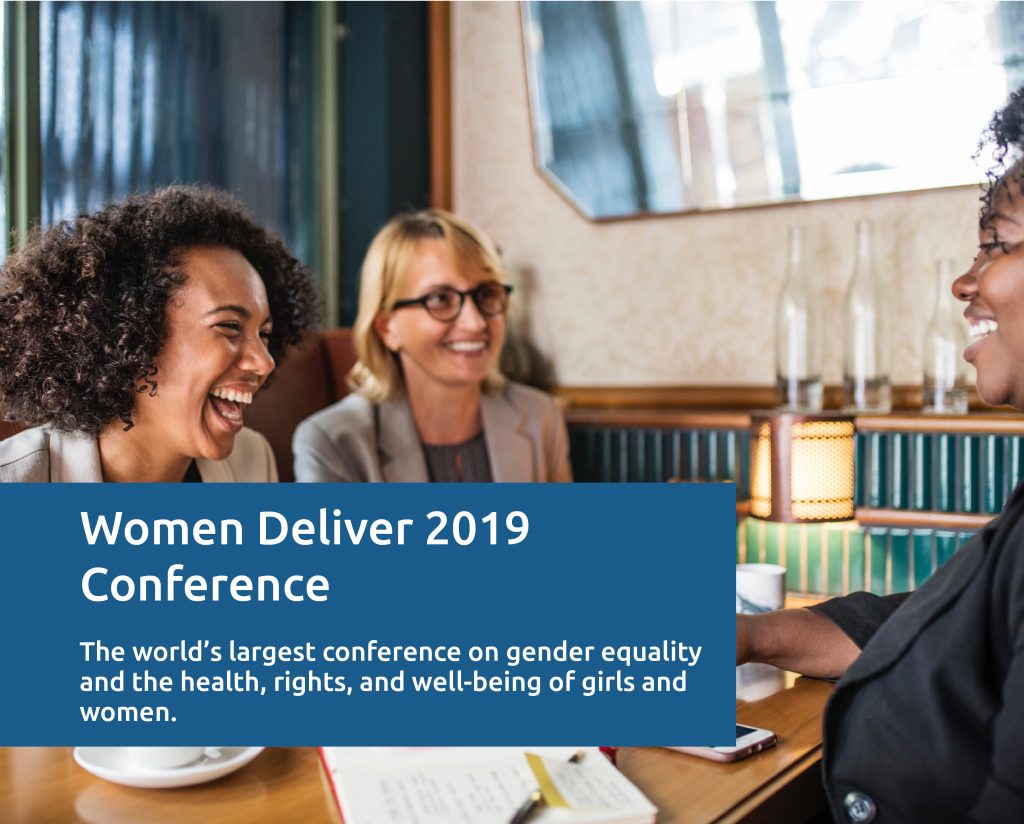
Two months ago, Vancouver hosted the triennial Women Deliver conference, the world’s largest gathering of advocates for the advancement and empowerment of women and girls. Among the 6000+ attendees from different countries and industries, philanthropic organizations were well represented.

Robust third sector involvement in the movement to advance gender equality is not surprising, given the modern history of women and philanthropy in North America. Prior to the Second World War, women’s professional aspirations were largely restricted by strictly defined gender roles. However, many considered philanthropic work to be an appropriate field of service for women – especially those that were married or affluent – because it was not seen to challenge traditional notions of women as compassionate or compliant.

Recent research, however, has contradicted this image, revealing that some women were able to push the boundaries of “respectable” female behavior by volunteering their time and resources. This was especially true of those who traveled to the frontlines of conflicts or insurrections to deliver relief, or for wealthy, ambitious women like Anne Morgan or Mabel Boardman who were able to carve out executive careers in the philanthropic sector.

With the exponential growth of North America’s nonprofit sector over the last century in response to international conflicts, natural disasters, and the human rights movement, women have become a more consistent, visible, and powerful presence at all levels of the philanthropic enterprise.

Today, women remain vital to the success of the philanthropic sector as donors, volunteers, and employees. American and Canadian women have been driving entrepreneurship and steadily increasing their share of financial wealth. This is particularly significant for the third sector because women are more likely than men to donate funds to philanthropies that support poverty reduction, health care, children and women’s rights, education, animal welfare, and the arts. Moreover, when it comes to volunteering, North American women are almost twice as likely to volunteer their time and services than men (approximately 13.7 million women volunteer compared to 6.9 million men).

These and other trends point towards the substantial role women have played and will continue to play in the functioning of the philanthropic ecosystem. Nonprofit organizations would be wise to focus on policies, strategies, and agendas that resonate with women on both ends of the donor-grantee spectrum.

— In the global philanthropic arena, women comprise an enormous force. The United States of America has observed a shift in the control of the nation’s personal wealth since the past decade. Women manage more than half of all of the wealth ($14 trillion), and these numbers are expected to increase in the future.

— Women are exercising leadership in large-scale donations as they leverage their philanthropic influence through collaborative networks that play a part in deepening their impact. Women Moving Millions, a global philanthropic community of people committed to large-scale investment in girls and women, released a study in 2014 stating that by 2030 women will be in charge of an estimated $33.5 trillion in the U.S., and their charitable giving could accelerate to $569.5 billion annually. 

This is crucial for fundraising, as research has revealed that women are twice more likely than men to describe giving to charity as among the most satisfying element of having wealth.

— In Canada, a key focus for philanthropy is indigenous youth and education. And, Indigenous youth are leading the way through organizations such as the Canadian Roots ExchangeIndspire, also established and driven by the Indigenous community, focuses on Indigenous education, essential as Indigenous youth are among the fastest-growing demographic in Canada.Both organizations present donors opportunity for targeted philanthropy, strong partnerships and investment in short-term and long-term goals to impact this cohort, critical to the future of Canada. 

— The 2019 Global Trends in Giving Report highlighted that 32% of donors are most influenced to give by social media with Facebook (53%) having the most significant impact, followed by Twitter (21%) and then Instagram (16%). The European Fundraising Association shared a recent report from Salesforce indicating that more than nine out of ten nonprofit leaders were using social media in their fundraising efforts. The study also found that three-quarters of them are using digital avenues to raise awareness of their brand or cause, while 59% also use it to engage with their community, and 57% fundraise. In addition, nearly half (47%) use it to showcase impact. Amidst a generational phenomenon, a significant amount of wealth in Europe is being transferred from an aging population to a younger one.

This shift has, in part, inspired a change in the focus of organizations from simply making money to demonstrating how that money creates a positive impact. This is a direct response to the younger generation’s key focus on impact and sustainability.

— In today’s entrepreneurial society, there is a real desire for strategic philanthropy. James Magowan, a specialist in foundation philanthropy across Europe, shared the deep roots that giving to secular causes has in the U.K versus religious giving in continental Europe, specifically in Spain and France in an interview. Central and Eastern Europe differ from each other In that giving focuses more on corporate and local foundations, alongside other forms of formal and informal donor engagement.

— The 2018 Global Trends in Giving report revealed that 32% of donors in Africa prefer to give cash and in person, which is the highest in any region. Because organizations focused on charity in Africa have limited access to traditional online fundraising technology, three-quarters of people in South Africa engage in cash donations in person. However, as the sector grows, and technology evolves, Africa is moving towards online and mobile giving.

— Strive Masiyiwa, Zimbabwe’s wealthiest man has established a $100 million fund to support rural entrepreneurs in Zimbabwe. In a press statement, he expressed his pursuit for philanthropists to join him to expand entrepreneurship across Africa. Instead of outright gifts, his model provides loans ranging from $1,000 to $10,000. Before receiving a loan, prospective entrepreneurs will undergo educational training in a variety of topics.

— Donors in Asia give via digital communication channels, primarily because of rapid advancement in technology resulting in a platform for the donor community. China is home to the world’s largest number of internet users and the fastest emerging e-commerce market. Increased access to technology has boosted online donations.

— The AI You Foundation is the country’s most prominent platform to promote venture philanthropy and impact investments and has won the China Charity Award twice. Some other popular platforms in the field include Tencent Online Donation platform and Sina Micro- Philanthropy.

— The United Arab Emirates (UAE) is emerging as a dominant force in the global philanthropic space. The Harvard Kennedy School reports that this rapid increase is driven by various factors beyond simply the growth in wealth. It also reflects cultural and religious beliefs pertaining to charity. Foundation donors influence how funds are invested and subsequently, distributed, often in a Sharia (Islamic Law) compliant manner. Strong leadership from ruling families, who use philanthropy as a means of establishing leadership in the realm; and tremendous economic growth play a part in giving as well.

— Because of Boston Consulting Group’s estimation of the growth of personal wealth of $590 billion by 2022, the number of millionaires in the UAE by 2023 will likely increase to approximately 61,292. With a rapid acceleration in prosperity, charitable giving is gaining traction. However, concerns are surrounding the legal and policy environment for private philanthropy.

— There is confusion in the UAE on how to legally fundraise and donate to charity. Government authorities and fundraisers say strict laws are necessary to make sure the money is going to the right place. Consequently, UAE has introduced a guide on how to donate legally in the country.

— In India, people would be more likely to give if they understood how their money is being used, saw an increase in transparency from within the nonprofit sector and had more disposable income.

Young people between the ages of 25-34 are more likely than any other demographics to give towards a specific cause for which they feel passionate about (34% vs. 28% average). They would also prefer having access to improved methods of giving (26% vs. 20% average).

— Guyana Páez-Acosta’s report for the Worldwide Initiatives for Grantmakers Support (WINGS), describe contributions of philanthropy in Latin America and the Caribbean focusing on the following areas: human rights (overcoming gruesome labor conditions, violence, racial and minorities exclusion) and social development, good governance, transparency and accountability. However, there are challenges for philanthropists to understand how and to whom to give, since social funds and community foundations are the sole organizations that connect donors to the community.

Lack of trust between the government and these organizations has also limited their effectiveness. While this is concerning for the organizations themselves, it also poses a threat to other philanthropic organizations.

Sharing of information and knowledge, robust connections with other International Human Rights Organizations and/or access to qualified legal assistance are critical to the success of the philanthropic sector overall. These priorities give focus to the sector and to donors who seek to address these critical systemic issues.   

—According to a Charities Foundation Aid report in Brazil, three-quarters among the participant sample surveyed (76%) stated that charities have an overall positive impact internationally. The Brazilian society aged between 18-24 are more likely than average to perceive a positive impact from charities based in Brazil. They are also much more likely to describe the positive impact internationally (82%) and within their local community. 

—The 2018 Global Trends in Giving reportindicated that 31% of donors are inspired to give by social media in the region. Simultaneously, Facebook released fundraising tools in Australia, which include the key features such as 100% fee-free donations and the ability to add a donate button to live videos when streaming on Facebook.

— As per the 2019 Australian Communities Trends reportAustralian givers are “need responders” meaning that they give when they are informed about a cause that demonstrates a definite need. 

Among those surveyed, 40% are likely to give when they hear about a particular need-based issue and give directly rather than to those causes which focus primarily on raising awareness. Additionally, 61% are most likely to support local/national issues.

Older Australians prefer to support traditional charities over social enterprises, while the younger generation sees value in both types of organizations since both reflect passion.

Fundraising Campaigns and Strategic Planning:

Learning the Lexicon Leading to Success

Fundraising campaigns are a powerful driver to address institutional needs, enlist and engage the support of constituencies and elevate philanthropic performance. Planning and preparing for a campaign is just as important as its execution, because it can determine short-term and long-term success. Elements of planning a successful campaign include:

— Strategic planning for a campaign often incorporates needs assessment and priority setting, developing the case for support, campaign branding and marketing, evaluation of the existing donor pipeline, training gift officers and development staff, and executive coaching for volunteer and staff leaders.

— Feasibility studies or readiness assessments gauge both internal and external readiness. Internal readiness is assessed in terms of staffing, campaign structure, donor pipeline, processes and funding priorities articulated in the case for support. In other words, how can your operations be improved to increase your fundraising effectiveness?

— External readiness evaluates your constituents’ opinions, attitudes and engagement, which is essential to developing a roadmap for your campaign’s success.

S. Sutton & Associates Inc. can assist your organization with all facets of strategic planning, preparation, and execution, as well as, pre- and post-campaign assessment. Based on both internal and external readiness, our Innovation Team makes evidence-based recommendations for ambitious yet achievable campaign goals. We evaluate the likelihood of both philanthropic and volunteer support for your proposed campaign, enthusiasm for the strategic goals of the campaign, and confidence in your institution, its leadership, and its fundraising programs to achieve the mission and impact of your organization. 

Contact us to learn more about how our services can help you raise more money, more efficiently.

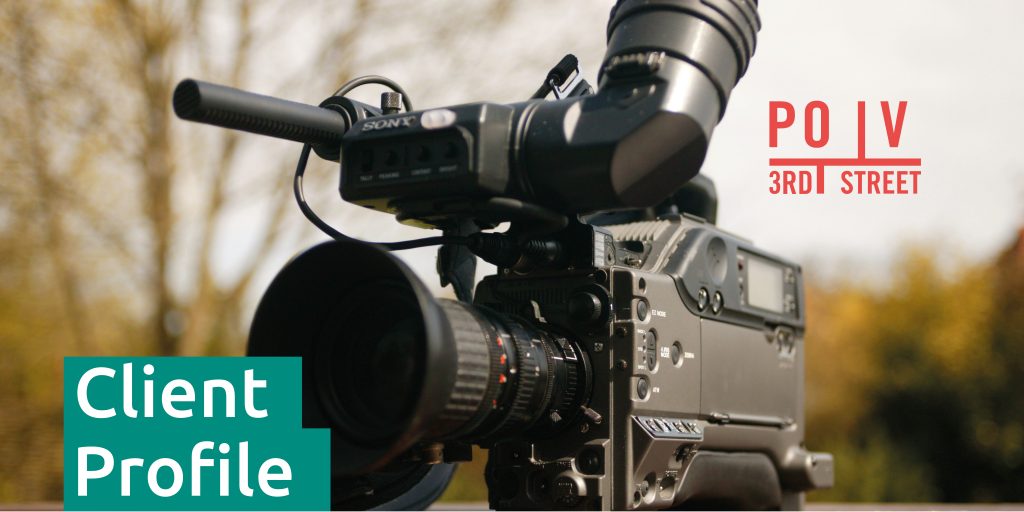
POV 3rd Street

In 2007, members of the film, TV and commercial production industries established POV as a result of an interest in increasing access for at-risk youth (18 to 29) to gain employment in the media industry and broaden its diversity. POV is dedicated to educating, connecting and supporting young people from traditionally underrepresented communities and nurturing their talent and creative passion into possible careers in the TV and film production industry. 

In 2012, POV ran twelve modules in partnership with 3rd Street, forming POV 3rd Street. This collaboration proved very successful and led to the development of a combined training program that not only equips students with valuable technical skills but also imparts critical thinking and soft skills. POV 3rd Street runs several different programs for students and alumni, including the Media Training Program, the 3rd Street (Critical Thinking) Program, and the Next Steps Program. 

POV 3rd Street has an impressive student graduation rate of 87%, and 62% of their alumni are working in the film and media industry as a direct result of their participation in POV 3rd Street. Another 13% are working in related fields. 

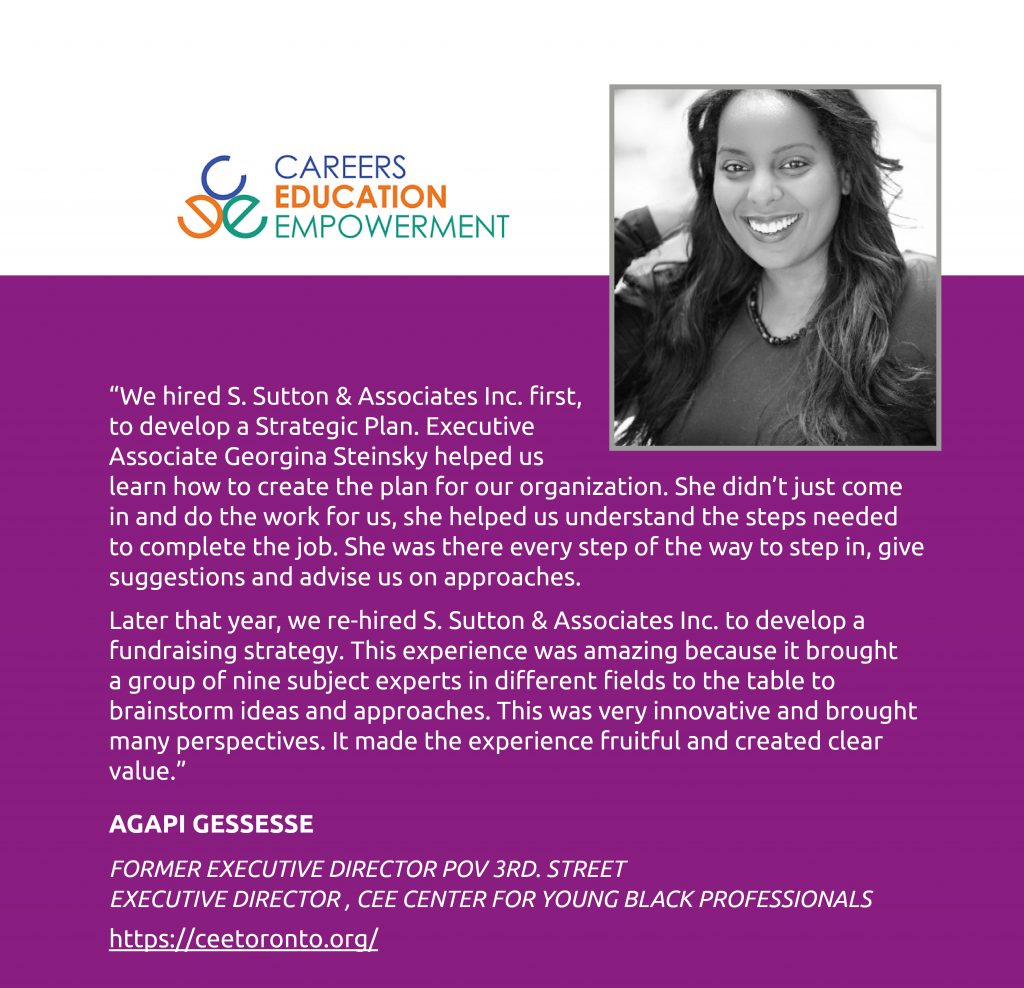
To achieve POV 3rd Street’s ambitious plans, S. Sutton & Associates Inc. developed a Three-Year Strategic Plan with five goals and a step by step workplan. Subsequently, the firm developed a Fundraising Plan with three strategic fundraising priorities, focused on systems and processes, recruitment, training, mentoring the right team, and growing the donor base.

Download Printable PDF

Categories
Philanthropy Wired Newsletter

Philanthropy Wired – July 2019


Welcome to the inaugural July 2019 Philanthropy Wired Newsletter! I am honored to serve as the Principal of our diverse and talented organization. As we begin the third quarter of 2019, we wanted to take our communications in a new and exciting direction. To connect with our growing number of subscribers, clients and Associates, we are rolling out a whole suite of communications products, including a monthly newsletter, LinkedIn articles, new content on the Insights section of our website, and biweekly emails designed to keep you informed and engaged with the latest news and updates.

Speaking of new ideas, I would like to bring three to your attention. The contemporary concepts of New Power, Next Generation-Enterprise and Blitzscaling have created a contemporary “Trifecta”, informing fundraising strategy, constituent mobilization, resource allocation, strategic and campaign planning, how gift pyramids are structured, gifts are made, and success is achieved. Maximizing the impact you or your organization has upon the world has entered a new dimension.

For more on the “Trifecta” please see my recent thought leadership article posted on LinkedIn.

Philanthropy Wired is designed to give our clients and Associates a 360-degree perspective on the evolution of philanthropy, our firm and the amazing talent in the field, all through the lens of the “Trifecta”. To say we are living in interesting times is an understatement, but disruption has taken on a new meaning and represents an inflection point that enables all of us to make an impact.

We welcome your thoughts, feedback and ideas as to how this platform can help you work, learn, grow and contribute.

Sending all good wishes to you and yours,

Susan Sutton
Principal, S. Sutton & Associates Inc.

Wired for Compassion: 

The Millennial Impact on Philanthropy

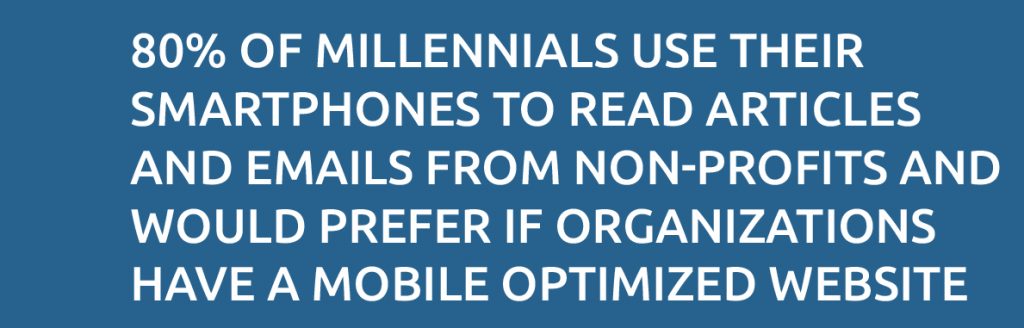
The world of philanthropy is undergoing an e-revolution, one which is being powered by the millennial generation. Academic literature and proprietary research has demonstrated how millennials on average earn less than baby boomers, however donate at a higher rate than their predecessors. Reasons for this may be due to the ease of utilizing digital platforms and apps in order to give, as fuelled by the rise of mobile phones and other smart technology, online banking, and the use of social media to share information. The 2013 Millennial Impact Report has indicated that 80% of millennials use their smartphones to read articles and emails from non-profits and would prefer if organizations have a mobile optimized website. Ensuring information is digestible is key to millennial engagement. Furthermore, crowdfunding platforms like ‘GoFundMe’ are easily accessible via a computer or mobile app, and allow quick donations.

Many millennials in the workforce believe it is their responsibility to create change through fundraising for a cause, and are finding non-profits through their work online.

While they may lack financial resources compared to their older counterparts and are unable to make one-time large gifts, they appear to engage in monthly giving. Monthly giving could assist organizations in maximizing giving from younger donors, while also playing a part in donor retention. Regular monthly giving offers a key opportunity to build a long-term relationship with a future large-scale philanthropist. Last, for younger generations, philanthropy entails more than volunteering time or donating money. The 2013 Millennial Impact Report also emphasizes the benefit of tapping into youth connectedness through peer-fundraising initiatives.

Instagram – a favourite among the millennial community has introduced a ‘Donate’ sticker on its ‘Stories’ feature, which can now be used by organizations to receive gifts with a click of a button. For younger generations, philanthropy entails more than volunteering time or donating money. Whether a young founder of a start-up is determined to use their company’s technology to provide a solution for a social problem or an analyst at a hedge fund using social media in their spare time to create hype around a cause, millennials are seeking ways to leverage their expertise and connections to improve society.

— Canadian McMaster University recently announced a legacy gift of $100 million CAD by Charles and Margaret Juravinski to endow the Juravinski Research Centre, providing up to $5 million a year to the university, Hamilton Health Sciences and St. Joseph’s Healthcare in support of research in cancer, mental health, respiratory care and diseases of aging.

— A report from Fidelity Charitable indicates that millennial entrepreneurs tend to give and volunteer more than older entrepreneurs. More than 80% of millennial entrepreneurs consider giving a very important activity, compared to 57% of Gen Xers and 48% of baby boomers.

— The Parker Institute for Cancer Immunotherapy, JDRF, and the Leona M. and Harry B. Helmsley Charitable Trust have launched a $10 million research initiative. The initiative will focus on finding links between certain cancer treatments and insulin-dependent diabetes.

— Five key trends in 2019 are shaping Mexico’s philanthropic direction. These include non-profits benefiting from an increase in volunteering, women’s empowerment remaining a primary social concern, the importance of non-profits continuing to work locally with indigenous communities and the value of collaboration between non-profit organizations in responding to natural disasters. Lastly, online giving and crowdfunding continue to grow, bringing both challenges in transparency and accountability, while providing opportunities for a diverse stream of donors and funding.

— European Fundraising Association’s (EFA) flagship annual event, Skillshare, will take place in Oslo, Norway this year on November 21-22. EFA members, observers, associates and invited guests from the European fundraising community will come together for exchange, learning and networking.

— During 2018, donations to associations and foundations in France declined for the first time in a decade. Two key contributing factors for this decline included the change to the tax system from the ISF tax on wealth to the new IFI property tax and the increase in the generalized social contribution tax charged to retirees, which limited their disposable income for donation contribution.

— The Fundraising for Impact report survey of over 100 charities based in the UK reveals that despite concerns over economic uncertainty and its effects on donors’ disposable income, UK charities still rely on fundraising. To ensure gifts, non-profits are proactively working to improve the experience of current supporters and attract new donors, and even predict a 10% growth in contributed income over the next three years.

— The GlobalGiving non-profit community’s predictions for philanthropy in 2019 centre around two themes; that community leaders recognize the value of collaboration and that people from around the globe continue to strive for organized action on climate change.

— Community-led development (CLD) and community-driven development (CDD) are critical to empowering community builders in Nigeria in 2019 and beyond. Community-led development focuses on a community working together towards a shared vision to lead and

learn from local activities to achieve economic growth. Community-driven development is a grassroots-based approach, which shifts power to community groups, enabling them to make decisions about resource allocation.

— Ugandan donors cited two major reasons they donated funds to an initiative focused on raising funds to mentor disadvantaged student interns in Uganda; the importance of the cause and the confidence that their gifts would go to the cause.

— Non-profit organizations in China have grown from around 4,000 in 1988 to 816,000 in 2017. Despite this impressive growth, the non-profit sector’s contribution to China’s economy has no system of measurement making the non-profit sectors’ contribution to the economy unclear.

— Cambodians are taking a grassroots approach to resolving the issue of pollution and illegal fishing in the waterways around their Islands. Led by a coalition of community groups, non-profit organizations, and the Cambodian authorities, 40 community

fisheries (CFi) organizations patrol the Cambodian coast, aiming to identify and protect fragile marine areas, address threats to the environment (such as over-fishing or the use of prohibited fishing nets), and assist local communities with their waste management problems. The success of these CFis have led the Cambodian Authorities to request a similar model be applied in other communities around Koh Sdach Island. Fauna & Flora International (FFI), a non-profit environmental organization, is working with the Cambodian authorities to establish a second protected marine reserve.

— Social entrepreneurs in the Middle East are striving to provide access to clean water and basic education, improving skillsets in response to unemployment, and tackling the issue of food security. People are trying to find solutions to issues that governments are not solving. Social entrepreneurs must work even harder due to lack of funding. While developing good government relations is critical, the government

often views non-profits as competitors to the state, leading to interference that hinders scale and impact. There is no definitive or legal registration status for social enterprises in many parts of the region, but a vast amount of regulations must be met. Ultimately, most end up establishing themselves as a for-profit company and do not rely on grants and other forms of donations.

— South Asia is home to many successful initiatives to empower rural women. The World Bank has assembled a platform for women’s economic empowerment that consists of more than 25 community organizations and women-led enterprises. The World Bank in collaboration with the government of India created the collaborative partnership a decade ago in response to the effects that climate change has had on the rural poor with creative, entrepreneurial solutions. A planned three-day regional conclave includes over 5,000 handcrafted accessories, clothing, decorative items and farm-based products created and produced by women’s groups and enterprises in Afghanistan, Bangladesh, Bhutan, Nepal, and 13 states across India. Local producers and industry experts discuss how to take their produce to regional and global markets.

South Asian practitioners also review regional approaches for bringing in private sector investment. India’s most prominent fashion designers use fashion shows to highlight South Asian weavers, embroiderers and artisans in support of local economies.

— The Nepali government has removed the minimum threshold for most types of foreign assistance in an effort to streamline all financial assistance as grants or loans and maximize aid to tackle large development projects. Key priority areas for the government include: environmental protection, climate change, sustainable development efforts, rural infrastructure, social development, agriculture modernization, education, clean drinking water and human development.

— Peruvian youth are providing a unique model of civic engagement. Seeing many children living in poverty, a child decided to help teach them how to save by registering his own bank with help from a student prize in his local town. He now has 2,000 clients between the ages of 10 and 18 to whom he offers loans, microinsurance and other financial services. Clients can withdraw money from several cashpoints (once they reach certain savings goals) using personal bank cards to monitor their balances online.

Children are also encouraged to collect plastic bottles, used schoolbooks and old newspapers in their homes and bring them to a kiosk at their school in exchange for money credited to their bank accounts. Peru’s environment ministry, which has made home recycling a principal campaign, appreciates the program. The bank recycles about four tons of material a month (of the 18,000 tons of solid waste per day in the country) and has kiosks in seven schools with more on a waiting list. The model is also in demand in the rest of Peru and abroad.

— 46% of donors prefer to give online with a credit or debit card, followed by bank or wire transfer. Minimal donations are made via PayPal, mobile apps and text message donations.

Increased access to online and mobile giving technology will likely cause a significant increase in these numbers in the coming years. 20% of donors are more likely to donate if offered a gift in exchange, while over 1/4 donate to natural disasters and 6% incorporate charitable giving into their will. Almost 2/3 of donors are more likely to trust organizations with the .org extension for website and email and approximately the same number are most likely to give repeatedly if regularly informed about the work the organization is doing and how their donation is making an impact.

Most are inspired to give by social media, followed by an organization’s website and email. Facebook has the largest impact on philanthropy (10% have used Facebook Fundraising Tools and 85% are likely to re-donate through Facebook), then Instagram (30%), followed by YouTube (8%). Phone calls, radio ads, and text messages have the least impact on giving. Donor privacy is critical with over 3/4 not wanting their contact information shared and more than 90% wanting their contact and financial information protected from data breaches.

— Young adults in Australia between the ages of 18 and 24 have made a significant impression in philanthropy. According to a recent report, they are volunteering more than older adults, more likely to participate in workplace charity, and more likely to support a range of causes such as helping children (the most popular cause in general in the country), disaster relief, mental healthcare, and human rights including LGBTQ+ rights. Over 60% of Australian donations are made to non-profits. Cash is the preferable mode of donations. While women are more likely to believe in the positive impact of charitability, men typically donate twice as much.

— Over 3/4 of non-profits in New Zealand are hosting cause, community, and educational events, including galas and fundraisers, networking opportunities, training and workshops, consumer classes, food and drink events, as well as arts and entertainment events. The greatest revenue comes from ticket sales, sponsorships, and grants or donations. Non-profits equally use social media (primarily organic posts, followed by Facebook or Instagram posts and display ads); email communications, and word of mouth or referrals to market the events. Because of so many events, non-profits in New Zealand are facing the most challenge this year in reaching new attendees, securing sponsors, and maximizing limited budgets.

The Green Party of the United States (GPUS) is an independent political party and federation of state parties associated with American social movements. When progressive politics in the United States was fighting for survival, in May 1984, a Green Movement Committee was founded with the aim of “the formation of a Green political organization in the USA”. Concurrently, a Green movement was taking root in Germany, and beginning to spread throughout the world.

Founded as a collection of green groups in 1984, the Green Party of the United States has made monumental strides in its four decades of existence. Since 1996 the party has run a national ticket in every presidential election. Nominee, Ralph Nader, received nearly three million votes in 2000 and, in 2012, Jill Stein received the most votes at that time for a woman in a presidential election in US history. Across the country hundreds of Greens have been elected at the state and local levels.

The Green Party of the United States is part of the global Green movement, sharing policies founded upon six universal principles including: Ecological Wisdom, Social Justice, Participatory Democracy, Nonviolence, Sustainability and Respect for Diversity.

As the exclusive fundraising consultant for the Green Party of the United States (GPUS), S. Sutton and Associates Inc. has worked intensively over the last year and is now turning attention to training local candidates, state and local Green Party leaders and key campaign volunteers via webinars, with an emphasis on best practices and tactics to achieve successful planning, strategy and execution of political fundraising and mobilization of constituents.

Download Printable PDF

Complimentary Consultation