


 Contact@SSutton-and-Associates.com
 420-737-921-492
 410-245-0398
 647-969-8866


The Integrity of the Collective: What “Kapwa” Can Teach the Western Boardroom
Craig Morris, Senior Associate, S. Sutton & Assciates Inc.
From my current vantage point in the Philippines, looking back at a thirty-year career in the American nonprofit sector—from the streets of Chicago to national STEM initiatives—the distance provides a sobering clarity. I see a sector at a crossroads in a world that will be needing us more than ever in the coming years. While we have more compliance software, tools and apps to track KPIs and generate dashboards than ever before, I am witnessing a quiet, creeping crisis: a loss of genuine oversight and a thinning of leadership accountability.
In my three decades working across a wide range of charities, I’ve seen organizations passionately state their mission, only to see it undermined. Betrayals ranged from weak performance feedback and overly complex strategic plans to executive-level narcissism and outright embezzlement.
Too often, we see the “Illusion of Oversight.” We hear boards talk about building rigor, yet they continue to “blindly trust” staff reports without digging into the raw data. We see KPIs established to monitor health, but they are treated as performative art—glanced at, but never scrutinized. When boards fail to recruit members with specific expertise, or when leaders prioritize “politeness” over difficult questions, the foundation of the organization begins to rot.
The Wisdom of the Archipelago
Since relocating to the Philippines, I have been immersed in two cultural pillars that I believe offer a radical cure for the accountability crisis in the nonprofit sector: Kapwa and Bayanihan.
Kapwa is often translated as “shared identity” or “the self in the other.” It is the profound recognition that my neighbor is not separate from me. In the Philippine context, to harm another is to harm oneself. When we apply Kapwa to nonprofit leadership, accountability ceases to be a legal chore and becomes a moral imperative. If a leader misuses funds or a board member neglects their duty, they are not just “failing an organization”—they are violating the shared inner self of the community they serve.
Bayanihan is a foundational Filipino cultural value representing communal unity, teamwork, and helping neighbors without expecting rewards. Perhaps you have seen the iconic image of a village literally lifting a bamboo house (bahay kubo) onto their shoulders to move it to a new location. This is the essence of a Board of Directors. Every person under that house must carry their share of the weight. If one person stumbles or chooses to let go, the burden shifts onto others, and the entire structure risks collapse.
Moving Beyond Lip Service
We are excellent at “lip service” in the U.S.—the nodding of heads in a boardroom while the actual health of the organization remains a mystery to those tasked with guarding it. To “be the change” in our sector, we must move from passive attendance to active stewardship.
- Audit Your Integrity, Not Just Your Books: Ask yourself, “Am I asking the uncomfortable questions, or am I staying silent to maintain ‘board harmony’?” Harmony without honesty is just a facade for failure.
- Verify the Lift: In the spirit of Bayanihan, you must know exactly how much weight is being carried. Do not accept summary reports at face value. If you are on a board, you have a moral right and legal duty to understand the “why” behind the numbers.
- Recruit for Rigor: A board is not a social club; it is a weight-bearing structure. We must intentionally recruit individuals with specific skills and experience to ensure the house doesn’t tilt.
As I consult with organizations globally from my home here in the Philippines, I am reminded that most of us who chose to work in the voluntary sector want to do good and not harm. Yet, when we allow oversight to lapse, harm is exactly what we facilitate.
We must return to the idea that we are all interconnected. Whether you are a staff leader in a community nonprofit or a board member for an international foundation, your integrity determines if the “house” we are all carrying moves forward or falls. Let us stop giving lip service to values and start putting them into action—now.
The sector—and the critical role it fills in the world we share—cannot afford anything less.
S. Sutton & Associates Inc. is a global network of consultants providing customized Innovation Teams of subject experts with specific technical expertise to help nonprofit organizations and philanthropists maximize their philanthropic efforts and achieve significant impact.
We are poised to partner and collaborate to help you realize your philanthropic potential. Complimentary consultations are available or contact us directly for an exploratory conversation.


Hearing Research International
Hearing Research International (HRI) is an international research foundation powered by Canadian Hearing Services (CHS), advancing innovative research in Hearing Health and Deaf Studies.
Operating over the last five years as CHS Global Partnerships for Research & Innovation, Global Partnerships became Canada’s largest funder dedicated to improving quality of life for Deaf and hard of hearing individuals. Research funding in the millions has been awarded by a 64-member scientific review grant panel from North America, Europe, and Australia to Canadian primary investigators working in collaboration with researchers in 20 countries.
Responding to a growing worldwide hearing-health challenge, the newly branded Hearing Research International was officially launched on World Hearing Day 2026, as a global foundation, positioning Hearing Health and Deaf Studies research on the world stage.
HRI represents the next evolution of research leadership, fostering collaboration across institutions, disciplines, and borders, setting the agenda for innovative research in the international research ecosystem. To shape the future, the foundation supports research that:
- Advances prevention, identification and treatment
- Strengthens accessibility and inclusion
- Informs policy and professional practice
- Improves quality of life for Deaf and hard-of-hearing individuals
HRI commits to investing in innovative research, fostering cross-border partnerships, shaping global research agendas, and translating knowledge into meaningful advancements. By catalyzing collaborations and connecting expertise, HRI research initiatives and partnerships, generate knowledge improving the lives of Deaf and hard of hearing individuals worldwide.
Please see Representative Client Briefs for information on the range of our clients and projects.


Board Training, Management and Governance
Proper Board management and governance is essential for any nonprofit to assure the demands of steering, supporting and safeguarding organizations are met. Specific technical expertise is required to assure the structure and composition of the Board are suitable, meetings and communications are managed appropriately and members understand and are equipped to fulfill their responsibilities.
Board Training
Boards are in place to govern, though subject to the evolution and needs of the organization may take on various levels of involvement which encroach upon management and operations. S. Sutton & Associates Inc. provides training for Boards in governance and leadership, core duties and roles, the Chief Executive’s mandate, techniques to build strong relationships with the Chief Executive, management and evaluation of the Chief Executive’s performance and succession planning.
Board Management
The mechanics to properly manage meetings and committees, prepare reports and communications, update bylaws and facilitate the fiduciary responsibilities of the Board, require technical expertise and diplomacy to assure all run smoothly. S. Sutton & Associates Inc. takes a hand on approach to train staff assuring structure, process and products support the success of the Board.
Please see our Service offerings for a full list of our subject expertise areas.


S. Sutton & Associates Inc. is honored to announce From the Ground Up: Prospect Research for Nonprofits, a newly released book by Associate of S. Sutton & Associates Inc. Katherine Scott, and Sarah Marcotte. At a moment when nonprofit organizations are navigating an increasingly complex landscape of information, resources, and technology, the need for guidance that is both practical and well-grounded has become more pronounced. This publication responds to that need by offering a guide to prospect research for professionals, while reaffirming the field’s importance to philanthropic practice.
Prospect research has long played a vital role in fundraising, but its wider contribution to nonprofit practice is not always fully recognized. Too often, it is understood only in technical terms, when in fact it helps shape how organizations identify opportunities, manage information, and pursue mission with greater clarity. From the Ground Up: Prospect Research for Nonprofits reflects this understanding of the field. It brings into view the many ways prospect research informs sound decision-making, supports responsible fundraising, and strengthens the systems that allow nonprofit organizations to act with greater confidence and care.
The publication also reflects the depth of experience and perspective that Katherine and Sarah bring to the field. Together, they bring more than 35 years of experience in prospect research and development across a range of nonprofit settings, and both remain active in the community as speakers and thought leaders. Katherine brings over 15 years of experience in philanthropy, with work spanning Doctors Without Borders (Médecins Sans Frontières) Canada, Princess Margaret Cancer Foundation, Canadian Red Cross, and Toronto Metropolitan University, alongside leadership in the profession as the former President of Apra Canada. Sarah, a librarian by profession, has spent nearly two decades in the nonprofit sector with a focus on prospect research, prospect management, and data management, including senior roles at SickKids Foundation, Weizmann Canada, and the Canadian Red Cross.
Katherine and Sarah’s contribution is especially timely. Across philanthropy, there is increasing recognition that effective fundraising depends on the quality of the systems and judgment that support it. In that sense, From the Ground Up speaks to a broader sector need. It offers new professionals a clear entry point, supports experienced practitioners in complex work, and reminds nonprofit leaders that research is central to mission.
In recognizing From the Ground Up: Prospect Research for Nonprofits, S. Sutton & Associates Inc. is proud to celebrate a publication that makes a meaningful contribution to the sector. Books of this kind do more than expand knowledge. They help shape stronger practice, bring important work into clearer view, and leave the field better prepared to serve the public good with care and conviction.
From the Ground Up: Prospect Research for Nonprofits is available for purchase on Amazon.

S. Sutton & Associates Inc. is a global network of consultants providing customized Innovation Teams of subject experts with specific technical expertise to help nonprofit organizations and philanthropists maximize their philanthropic efforts and achieve significant impact. This month we welcome:

Morris Price Jr., Executive Associate
Morris W. Price Jr. is a dynamic and results-oriented executive with over three decades of experience in philanthropy, nonprofit, government, and the higher education sectors. He has a proven ability to lead with a strategic vision, and uses financial, programmatic, advocacy and communication resources while fostering an inclusive and collaborative organizational culture.
He is acknowledged for designing and executing effective initiatives that advance equity, foster systemic change, and support a range of causes, issues, and communities. His extensive knowledge of nonprofit and philanthropic organizations at both local and national levels enables him to leverage strategic relationships, mobilizing resources and partnerships to drive significant and lasting change.
Morris has a proven record in mentoring rising leaders, diverse teams, fostering collaboration, and building community relationships to drive impactful change and align with organizational mission.
In these capacities Morris has served as Vice President Grants and Impact, The Colorado Trust, Vice President and Executive Director, City Year Denver, District Director U.S. House of Representatives, Colorado 1st Congressional District, National Program Officer the Gill Foundation, Director of University, College and Community Relations the Daniels Fund, Associate Dean & Director of Undergraduate Admission, University of Denver, and Associate Dean & Director of Multicultural Admission, Depauw University.
Morris currently serves as the Chair of the Board for the Colorado Educational & Cultural Facilities Authority, President, Board of Directors Philanthropy Colorado, Secretary, Board of Trustees Rose Community Foundation, Board Member, Board of Directors, Colorado State University, and Secretary, Board of Directors, Denver Impact Fund.
His contributions have earned him significant recognition, including the Swanee Hunt Individual Leadership Award, the MLK Business Social Responsibility Award, Denver Urban Spectrum 25 Most Influential African Americans, and the NAACP Civil Rights & Social Justice Advocacy Commerce Award.
Morris holds a Bachelor of Arts in Communication from Colorado State University and a master’s degree in Nonprofit Management from Regis University.
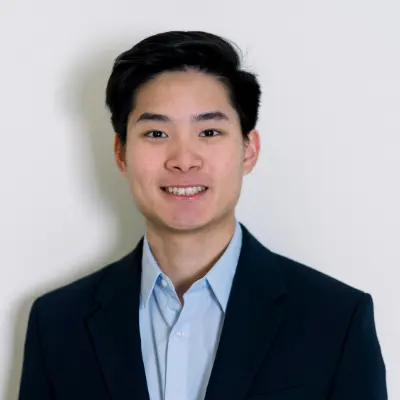
Ethan Christopher Chua, Junior Associate
Ethan Chua has joined S. Sutton & Associates Inc. as a Junior Associate and Core Team member, parlaying his experience as a Business Development Analyst at Mastercard, Treasuries and Capital Markets Analyst at Metrobank, and Student Business Officer at Pacific Economic Development Canada, to enhance operational efficiency in cross-department processes, structural improvement plans, and the exploration of the use of AI to help efficiently connect with our ecosystem.
Ethan graduated from the University of British Columbia with a Bachelor’s Degree in Economics and a Minor in Commerce, and speaks in addition to English, Tagalog and Mandarin. Now residing in Manila Philippines and with Mastercard, Ethan successfully works on business development opportunities in the FinTech and digital banks space that positively impact the community around him.
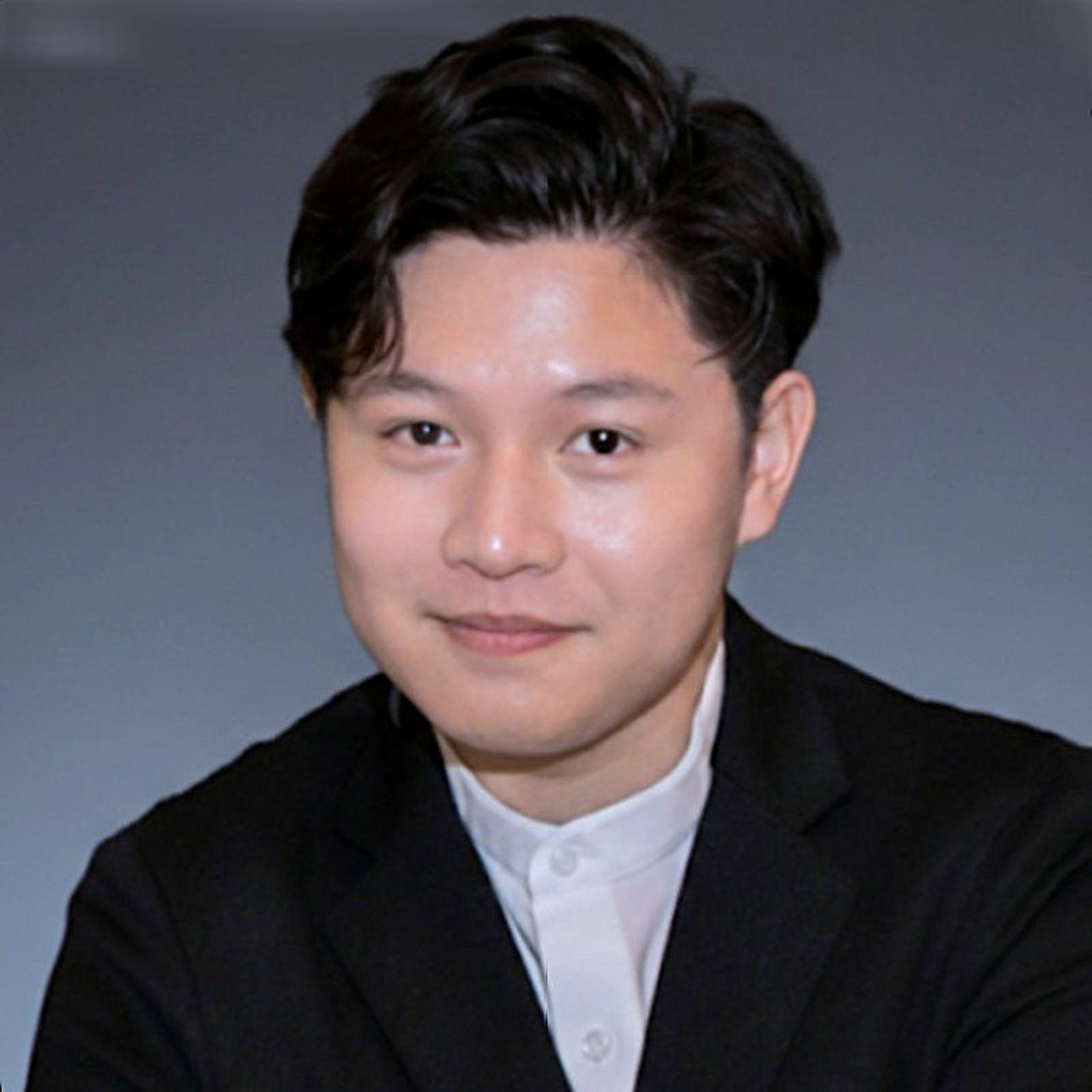
Kenny Nguyen, Junior Associate
Kenny Nguyen has joined the Core Team of S. Sutton & Associates Inc. as a Junior Web Developer and System Administrator. Kenny specializes in Software Engineering and System Development and building scalable backend systems and production ready web platforms.
His past roles include Backend Software Engineer at HealthBridge AI, Software Developer at Netpalm, and Programming Instructor at Algorithmics Inc.
Kenny is a graduate of the University of Toronto with a Bachelor of Information in Information Science.

Roace Estante, Junior Associate
Roace Estante has joined the firm as a Core Team Member focused on financial tracking and reporting.
A York University graduate with an Honors BA in Psychology, Roace brings diverse experiences having served with the Canadian Armed Forces and as a Supervisor at the Toronto Public Library, where he honed skills in leadership, workflow optimization, and stakeholder collaboration.
He is currently pursuing a Bachelor of Information at the University of Toronto, exploring the intersection of technology, data, and organizational strategy, preparing for a career that bridges operations, information management, and innovation.


North America
- Jack M. Barrack Hebrew Academy completes purchase of campus with $10 million gift
- ICONIQ Impact Launches Women’s Health Co-Lab Targeting $100 Million in Funding
- Massachusetts General Hospital Receives Transformational Gift of $100 Million from New Balance Foundation to Advance Community, Cardiovascular Care
- 82-year-old CEO grew a $7.8 billion fortune from company shares—now she’s selling stock to charity and signed Warren Buffett’s pledge to give away 99%
- MacKenzie Scott donates $162 million to three college funds
- BOXABL Co-Founder Galiano Tiramani Donates $5 Million in Stock to Catholic Charities USA
- Stanford football receives $50M donation from former player
- Philanthropist MacKenzie Scott donates $42 million to Bay Area nonprofit for low-income students
- MacKenzie Scott is giving away millions to diversity-related causes.
- MacKenzie Scott awards more than $100 million, urges communal action
- Campfire Circle Announces Transformative $20 Million Donation in Support of Bold Expansion
- Houston billionaire philanthropists Nancy and Rich Kinder to donate 95% of $11 billion fortune to local causes
- Panera Bread founder donates $20 million to fund Massachusetts college’s “transformation”
- Mystery donor gives $130m to US military to pay troops during shutdown
- Google’s Sergey Brin Gave Shares Worth $700 Million As Gift. Who Received Them?
- MacKenzie Scott gives $60 million to the Center for Disaster Philanthropy
- Clark Atlanta University Celebrates $38 Million Gift from Philanthropist MacKenzie Scott
- Billie Eilish Donates $11.5 Million of Tour Revenue
- MacKenzie Scott gifts Howard University $80 million amid donation wave
- MacKenzie Scott’s Boldest Year Yet: Fewer Grants, Massive Checks
- UW engineering receives multi-million gift to rename building, focus on health care
- The Joyce Theater Foundation Receives $15 Million Gift From Rajika Puri and Anupam ‘Tino’ Puri
- Warren Buffett directs over $6 billion to family and Gates foundations
- Billionaire Trump Donor Jeff Yass Gives $100 Million To Bari Weiss’ ‘Anti-Woke’ University Of Austin
- Billionaire Jeff Yass gives $100 million to University of Austin for free tuition
- TCU Receives $40 Million Gift from Alumna Louise Dilworth Davis to Name College of Science & Engineering
- Atlanta’s Spelman College receives $38 million gift from philanthropist MacKenzie Scott
- Record $30 million donation to establish residential college for women
- MacKenzie Scott Gives $700 Million to Historically Black Colleges
- This Olmsted park in Louisville just got a $5 million donation for a complete restoration
- Michael Jordan honors his mother with $10 million gift to Novant Health NHRMC
- Dauten Family Gifts $25 Million to Launch the Northwestern Medicine Dauten Behavioral Health Institute
- The Lovett School Receives Record $30 Million Gift
- University of Washington pumps $10 million donation into AI
- ‘Transformative’: Toronto philanthropist makes $35 million donation to SickKids, CHEO for mental health care
- Rams donate $5M toward free Olympics tickets for LA residents
- Phil Knight’s Largest-Ever $2 Billion Donation to OHSU Advances Global Cancer Research
- $7.72 billion earmarked to philanthropy from Judy Faulkner through her Roots & Wings Foundation, which supports low-income children and families
- Eli Lilly endowment tops $100 billion
- Peter Gilgan donates $50 million – the largest single gift to Support Early Cancer Detection in North America
- Kris Singhal and family contribute $20M to the Campaign to Create Tomorrow
- Sergey Brin gifts $1.1 billion in Alphabet stock after AI rally
- Texas A&M University-Kingsville announces historic gift that will power the institution’s next century
- Bezos Donates $11.25 Million to Fight Homelessness in DC Area
- An anonymous $50M gift will cover some tuition for medical lab students at University of Washington
- AI drives dramatic expansion of Chan Zuckerberg Initiative’s funding to end all diseases
- Billionaire Michele Kang Commits $55 Million to Women’s Sports Research, With $30 Million Targeting Youth Programs
- Rogers Charity Classic Raises Record-Breaking $26.6 Million for Alberta Children’s Charities
- $31 million Ginsburg donation to UCLA Research Park supports research, facilities
- Benevity Celebrates Over $150 Million Donated and 7.2% Increase In Donation Volume During Giving Tuesday 2025
- Michigan State receives $401M gift from Greg and Dawn Williams for school and athletic department
- Philanthropist MacKenzie Scott gave $7.1 billion to nonprofits in 2025, a major increase
- $7 million commitment to UT San Antonio will aid health care, engineering and athletics
- Loyola receives $10 million to enhance programs in sciences and risk management
- Hokies enter Franklin era $20M richer thanks to anonymous donor
- Knight Donation Tops List of 2025’s Biggest Gifts
- Ray and Barbara Dalio Match Dell’s $250 Donation per Child to Help Connecticut Kids Through Trump Accounts
- Jeff Bezos and Lauren Sánchez Bezos donate $5 million to neurodivergent education leader
- Nike cofounder Phil Knight’s $2 billion pledge for cancer research was the largest donation of 2025
- Summer residents donate $35 million to Florida hospital
- Paulson Family Foundation makes an additional $19 million donation to Hebrew University to fund a new building for electrical engineering. Together with its previous gift brings the total donation to $46 million
- Tench and Simone Coxe Invest $100 Million in University of Texas Medical Center
- MacKenzie Scott donates $45 million to The Trevor Project amid a rising mental health crisis for LGBTQ youth in the U.S.
- In historic gift, Columbia basketball receives $10 million from Jonathan and Jeannie Lavine
- Norfolk Southern surpasses $18 million in donations for third straight year
- UCLA receives $40 million donation from the estate of alumnus; $17.3 million going to football, basketball programs
- Helena Theurer Donates $10 Million Gift to Hackensack Meridian School of Medicine to Establish Endowed Scholarship Fund
- Retired Professor Pays It Forward by Leaving $18 Million to Brandeis
- Blank Foundation Awards $27.6 Million In Golf-Related Grants
- Transformative $10 million gift will establish Hajim School deanship
- Cornell University receives $371 million from David A. Duffield
- Jennie Clark’s Legacy Continues: UA+Ed Receives $4.5 Million
- Engineering College Renames to David A. Duffield College of Engineering Following Largest Gift in University History
- Pitt receives $53.5M gift to expand orthopedics research
- The Dallas Opera Earns $25 Million Challenge Grant from Texas-Based O’Donnell Foundation, Surpassing Matching Goal
- Billionaire Jeff Yass gives $100 million to University of Austin for free tuition
- Binghamton receives largest academic gift in University history to establish AI center
- Duke University Announces Landmark Gift Naming the Pierre R. Lamond Department of Electrical and Computer Engineering
- Yale Expands Free Tuition Initiative to Families Earning Up to $200,000
- How One Foundation Built a Board That’s Standing Up to Trump
- CFR Receives a $50 Million Gift From the Sue and Edgar Wachenheim Foundation to Establish the Wachenheim Center for Peace and Security
- Notre Dame receives $5M grant to support Catholic leadership training
- Duke University Announces Landmark Gift Naming the Pierre R. Lamond Department of Electrical and Computer Engineering
- Alice L. Walton Foundation to loan $239 million to Bentonville
- National Council for Mental Wellbeing Releases Statement on $32 Million Gift From MacKenzie Scott
- Bryson Family Expands Endowment for Conservation Efforts
- Hirshhorn Museum and Art Bridges Team Up to Lend American Artworks to Museums Throughout the US
- UTEP receives record $30M donation, renames engineering college
- CHOP expands pediatric care facilities with $125 million donation
- Smithsonian Reaches Historic $2.5 Billion Campaign Goal One Year Ahead of Schedule
- As billionaires bail, Mark Zuckerberg doubles down on California with $50 million donation
- Valley philanthropists donate $5 million to HonorHealth Foundation
- Meet Jody Allen, the billionaire owner of the Seattle Seahawks, who plans to sell the team and donate the proceeds to charity
- America’s Top 25 Philanthropists — And Why Musk, Page And Ellison Aren’t On The List
- Seattle Seahawks Franchise Now For Sale After Super Bowl Win
- Knight family gives another $75 million to Providence
- Philanthropic Partnership Backs Country-Led Research to Guide the Use of AI in Health
- Iris Cantor (1931 – 2026)
- TED’s Audacious Project raised $1B from donors in 2 days to fund big nonprofit initiatives
- Hall Family Foundation makes historic $10-million donation to Okanagan College
- Sunnybrook Receives $10M Gift to Expand OCD Research, Education, and Treatment
- UMPI announces $2 million gift, the largest single donation in the school’s history
- Multi-million dollar donation sets the stage at Duluth Armory
- After cutting her Amazon stake by half, Jeff Bezos’ ex-wife MacKenzie Scott do
- Donation recap: Pet food industry donates more than $5.9 million during the holiday season
- $50 Million Gift from Caltech Trustees Names Lynn Booth and Kent Kresa Department of Aerospace
- Billionaire Ray Dalio pledges $75 million to Connecticut kids
- University Of Maine Receives $6.6 Million Estate Gift From Linda Zillman
- Jeff And Lauren Bezos Announce $25 Million Courage And Civility Awards
- Wellstar Children’s Hospital of Georgia Receives Historic $50 Million Investment…
- Arkansas Children’s Receives Historic $50 Million Gift…
- A Montana man donated his $21.6M ranch instead of selling it…
- Elon Musk donates Tesla shares worth $100 million…
- FSU receives $65 million philanthropic investment…
- St. Vincent’s Medical Center lands $15M gift…
- NewYork-Presbyterian Receives $20 Million Gift…
- Bill Gates sent $8B to ex-wife Melinda…
- Villanova Nursing Receives $5 Million Donation
- UCLA Health announces $100 million gift…
- MacKenzie Scott’s close relationship with Toni Morrison…
- A transformational $25 million gift…
- UNM Law School to receive largest donation in history…
- BlackRock Launches $100 Million Philanthropic Initiative…
- Pittsburgh Penguins Star Sidney Crosby Makes Historic $12.4 Million Donation…
Europe
- Celtic bring festive cheer to Children’s Hospital with £10,000 donation
- National Trust receives record £10m unrestricted donation from philanthropist
- Novo Nordisk Foundation invests $860M in Danish institute nurturing homegrown biotechs
- London’s Courtauld to open two new contemporary art galleries after £10m gift
- Prince Albert II of Monaco Foundation names Romain Ciarlet as vice chairman, CEO
- ‘Adopt a Statue’ program for Milan’s iconic Duomo restores centuries-old marbles
- $27 million backs bold bet on Ben Delo’s science‑first philanthropy
Middle East
East Asia











 www.SSutton-and-Associates.com